
The condition in which the person is unable to conceive a child is known as infertility. Even after having intercourse with the partner, many females are unable to conceive. These conditions arise due to different conditions in both males and females. Broadly there are two types of infertility, one is primary and another one is subordinate. The major factor to this is unhealthy lifestyle as these create genetic changes, mental pressure, depression, disorders and many more.
Kudos to rapid developments in medical technologies. Star Medical is helping females in their wishful thinking of motherhood with affordable and best techniques of ICSI, IUI and IVF Treatment in India. We are a group that can help you in building the family through one of the safest mode. In collaboration with world’s best fertility centres and hospitals, we can help in curing your infertility by different approaches e.g. surgery, counselling sessions, diet plans, etc.
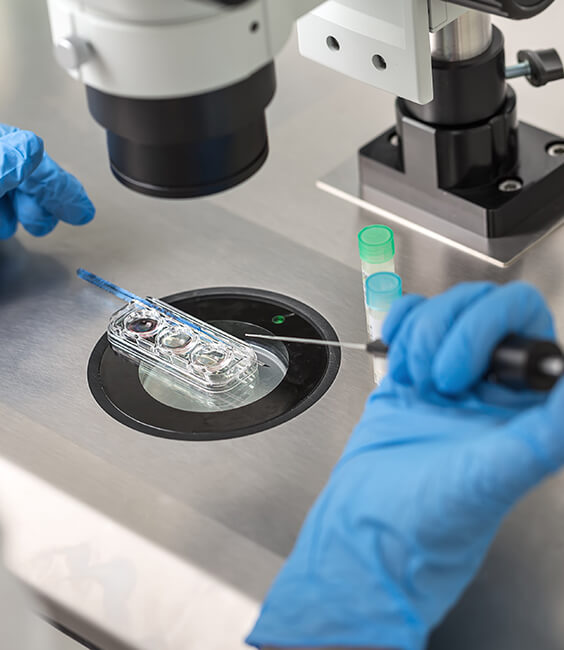
IVF is the most real and the common most form of assisted generative technology. It is a multi- faceted series of procedures used to treat fertility and the genetic glitches in your body. It is a process that involves pollinating the eggs with the sperms outside the uterus in a disc and then placing the pollinated egg back in the uterus of the women. IVF is the most effective of all fertility treatments and it is best option if the woman suffers from irregular ovulation.
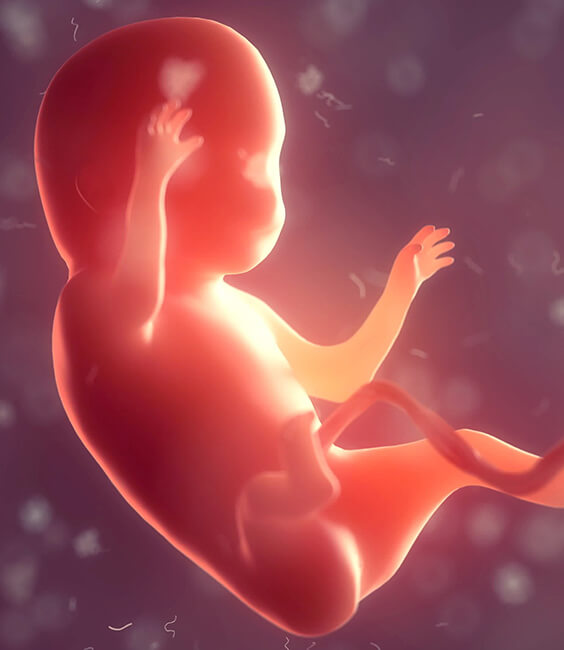
This procedure involves using a highly focused infrared laser beam to remove the outer covering of the embryo, and help the embryo hatch from its protective outer shell and promote implantation in the uterine wall after the embryo transfer. During the cleavage stage, the outer covering of the embryo becomes harder and the removing of the egg for in vitro fertilization effects its natural environment. Laser assisted hatching is one method that helps the fertilized egg to hatch and attach to the uterus. The idea behind the process is that the small slit in the shell of the embryo improves its ability to hatch. This problem is high in women older than 37 years of age or in the women who have taken higher doses of follicle stimulating hormones.
Men suffering from obstructive sperm release due to the congenial absence of the vas deferens or non- obstructive azoospermia can now undergo surgical sperm revival. This treatment can be opt by men who wish to father a child after vasectomy. This medical problem is difficult to detect as the men do ejaculate seminal fluid but the fluid does not contain sperm in it. Generally, there are five different treatments that help the doctors collect the sperm surgically:
Percutaneous Epididymal Sperm Aspiration (PESA)
Microsurgical Epididymal Sperm Aspiration (MESA)
Testicular Sperm Aspiration (TESA)
Testicular Sperm Extraction (TESE) - single or multi-site
Microscope-Assisted Testicular Sperm Extraction (MicroTESE)
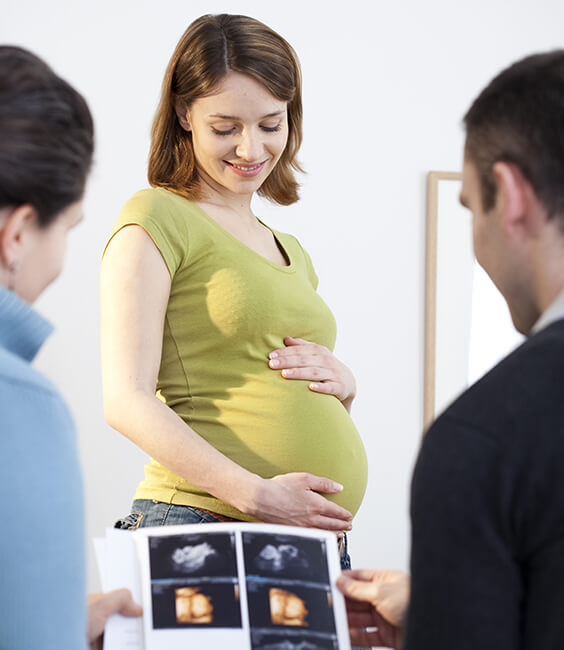
Evolved in 1980s, Surrogacy was then considered illegal and was done mostly in secrecy. But now, it is a much acceptable method for the couple who has been trying to conceive but have not been able to. With the advancement in the medicine, law and public awareness, IVF surrogacy has become a conventional option for the couples who would have never been able to conceive otherwise. The medical fraternity has seen thousands of healthy babies being born through IVF Surrogacy, which makes it a trustworthy option. IVF Surrogacy is the best option for most couples who want a child who shares the genetics of both the mother and the father.
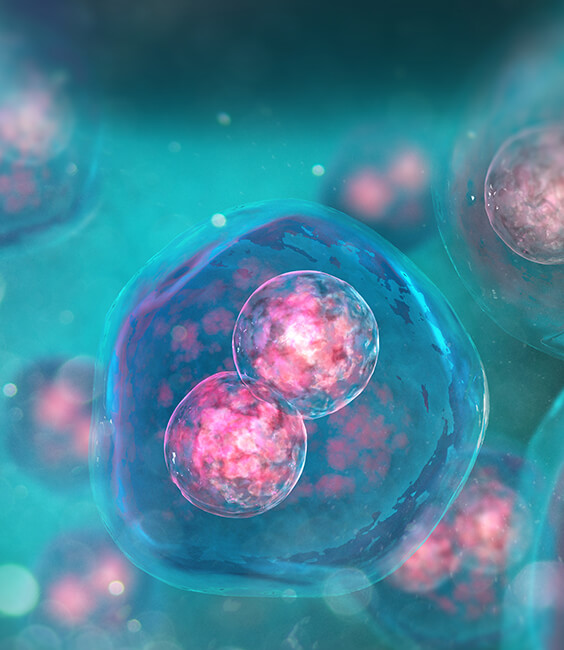
Also known as Tubal Embryo Transfer (TET), it is an assisted reproductive procedure. The only difference between In vitro fertilization, embryo transfer and ZIFT is that the fertilized embryo is transferred into the fallopian tube instead of the uterus. A woman’s’ ovaries are stimulated with medications to increase the probability of producing multiple eggs. The eggs are then collected through a process called aspiration and then fertilized in a laboratory for 24 hours and then transferred through a laparoscopic procedure where a catheter is placed in the fallopian tube and the fertilized egg is injected.