
Spine surgeries are one of the most common diseases in old aged patients because it is caused by the long prevailing back pain, arthritis and joint pains. After the advancement in medical technology, the spinal surgeries and the treatments are affordable with a huge success rate. The surgeries are done to prevent further damage of spine and to stop the damaging process of the bones. Also with the help of better equipment and best doctors the treatment became easier and efficient and thereby decreasing the cost of surgery and treatment.
With these advancements, now the surgeries are being performed with the help of digital imaging and lasers instead. Whereas, in older days it was done by saw, knives and drills. Also the modern and advance methods are less time taking that has highest success rate up till now. For post-surgery care, doctors use instruments like Post-Operative cervical braces, anterior cervical inter-body cage and wirings, etc.

A corpectomy is the procedure of removing the damaged vertebrae and the intervertebral discs that compress the spinal cord and the spinal nerves. An anterior cervical corpectomy is performed for the patients who experience degenerative changes in the cervical spine. The changes result in the formation of the bone spurs and take up the space needed by the spinal cord and the nerves. Corpectomy is done to cure the vertebrae that have been damaged either by trauma, tumors, or deformity. During the process, a small incision is made on the front of the neck. The surgeon removes the damaged vertebra and the attached discs around the damaged vertebra from the incision made. This decompression relieves the pressure on the spinal cord and the nerves.

Endoscopic Spine Surgery is a surgery that uses small tubular system or micro incisions, assisted with an endoscopic view for visualization. It is a Minimally Invasive Spine Surgery (MISS) and provides patients with quick recovery and excellent results than the traditional spine surgery. The surgery preserves normal spine mobility and does not require infusion of any kind of wires or rods inside the body. During the surgery, the surgeon gains access to the vertebrae by placing a series of tubes. The two goals of a Minimally Invasive Spine Surgery are Decompression and Stabilization. MISS takes pressure off the spinal cord and the nerve roots and helps in treating spinal conditions like degenerated disc disease, herniated disc, scoliosis and spinal stenoids.

Spinal Foraminotomy surgery is performed to relieve the indications of nerve root compression that arise when the foramen is beaten by bone, disc, scar tissue or excessive ligament development. Foraminotomy takes the pressure off the nerve coming out of the spinal cord by making a small incision in the middle of the back of the spine. The surgery is performed when the roots of the nerve get narrow and starts putting pressure on the nerve. The symptoms for the same include:
Steady pain in thighs, lower back, calf, shoulders, arms and legs
Pain while doing some work
Numbness and muscle weakness
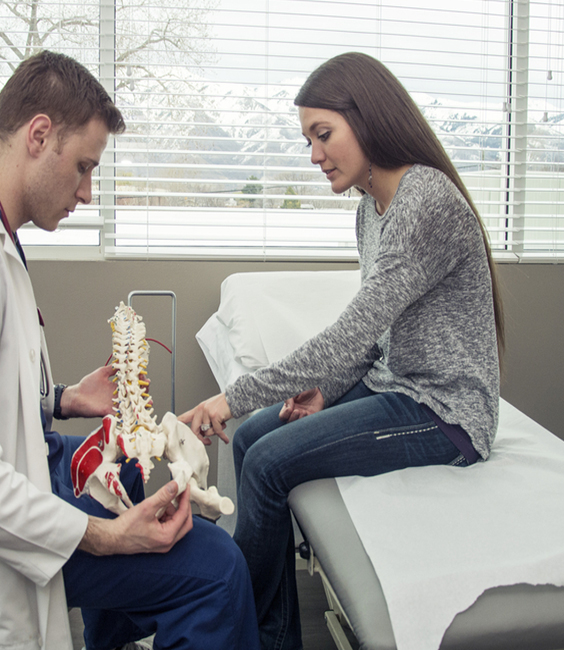
Lumbar Laminectomy - also known as an open decompression - is performed to alleviate the pain caused by neural impingement that results from lumbar spinal stenosis and is caused by the degenerative changes causing enlargement of the facet joints. The joints put a lot of pressure on the nerves and this pressure can be effectively relieved with the help of laminectomy.
Laminectomy is the treatment of removing the portion of the enlarged facet joint and the thickened ligaments. It is done by removing a small portion of the bone over the nerve root. This gives the nerve root more space and a better healing environment. Doctors prefer Laminectomy only when the symptoms are severe and show excessive weakening.

Spinal Disc Replacement Surgery is performed to cure a particular kind of back pain. It is basically used as a substitute to the Spinal Fusion. The benefit that the treatment has over Spinal Fusion is that fewer patients require follow up surgery actions and there are almost no cases of failure. During the artificial disc replacement, the painful disc is removed and the motion is maintained with the use of a prosthetic implant made out of plastic or metal. Before placing the new disc, the space is decompressed to its normal height which relieves the pressure from the surrounding nerves. Then with the help of fluoroscopy, the artificial disc device is implanted into the prepared disc space.
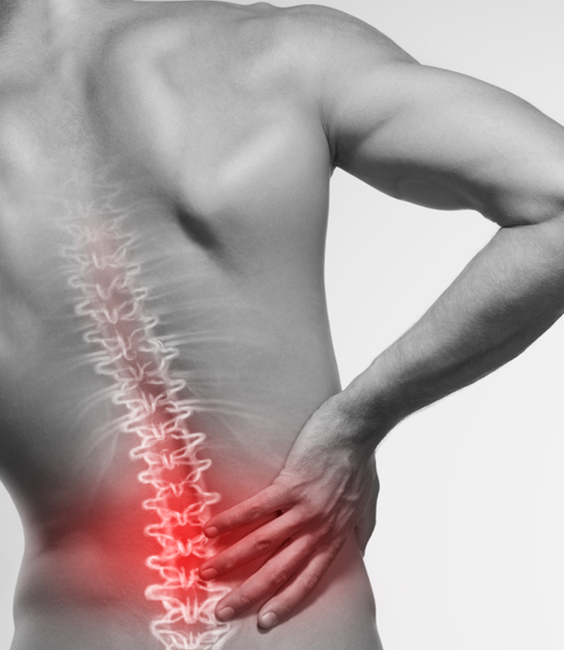
Spinal instrumentation is done to maintain the rigidity of the spine after the spinal fusion surgery. The process involves attaching hooks, rods and wire to the spine to redistribute the stress on the bone, making it surgically possible to keep them in proper alignment with the bones of the spinal fuse. If the instability is not treated it can result in nerve damage, spinal deformities and disabling pain. The spinal instrumentation surgery is done to cure deformities like Scoliosis or Kyphosis. Scoliosis is a condition when you get a side to side spinal curvature and Kyphosis is a front to back curvature of the upper spine. These deformities may be caused due to fractures, tumors or serious injuries or can also be a birth defect. Spinal instrumentation is a major surgery and needs the patient to undergo a lot of tests.

Spinal Fusion is a surgical procedure in which two or more vertebrae are joined together into one single bone. Basically, the two vertebrae together define a motion segment and supports motion. Spinal fusion or vertebral interbody fusion is done to treat many spinal problems like tumour, spinal steroids, scoliosis and spinal weakness due to arthritis or infections. The doctors usually suggest the patients to follow a healthy lifestyle after the surgery. Moreover, the habits like smoking, alcohol consumption can affect the curing process and the patient may continue feeling the pain he/she experienced before the surgery.
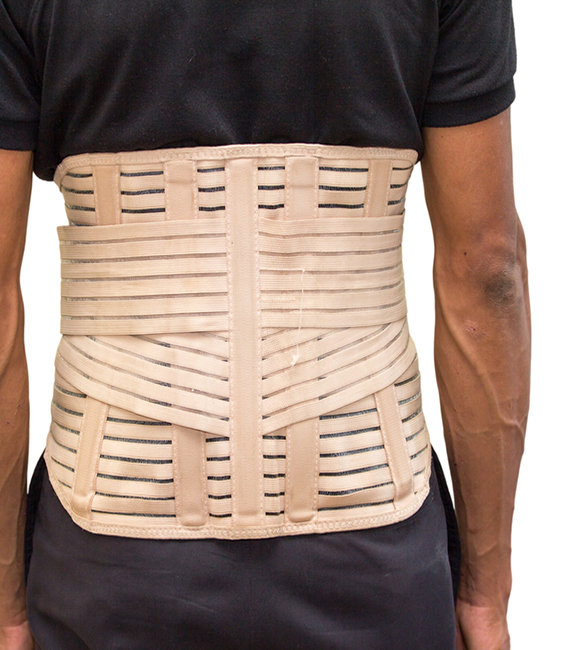
Vertebroplasty and Kyphoplasty are used to treat vertebral compression fractures in the spinal column that rise mostly as a result of Osteoporosis. Osteoporotic fracture is dangerous as it might result in more fractures. This makes it very important for every patient to get it cured as early as possible. Vertebroplasty and Kyphoplasty are minimally invasive procedures that are used to treat vertebral compression fractures and spines. If they are left untreated, they can result in a humped spine. The process of restoring the vertebra height with a balloon and injecting cement into the fractured bones is called vertebroplasty. These two are similar procedures that are done by passing a hollow needle through the back into the vertebra. The only difference is that in vertebroplasty, the bone cement is injected through the needle, whereas in kyphoplasty, first a balloon is inserted, inflated then the space is filled with bone cement.